
How Does a 6:1 Student-Teacher Ratio Actually Change the Early Childhood Classroom?
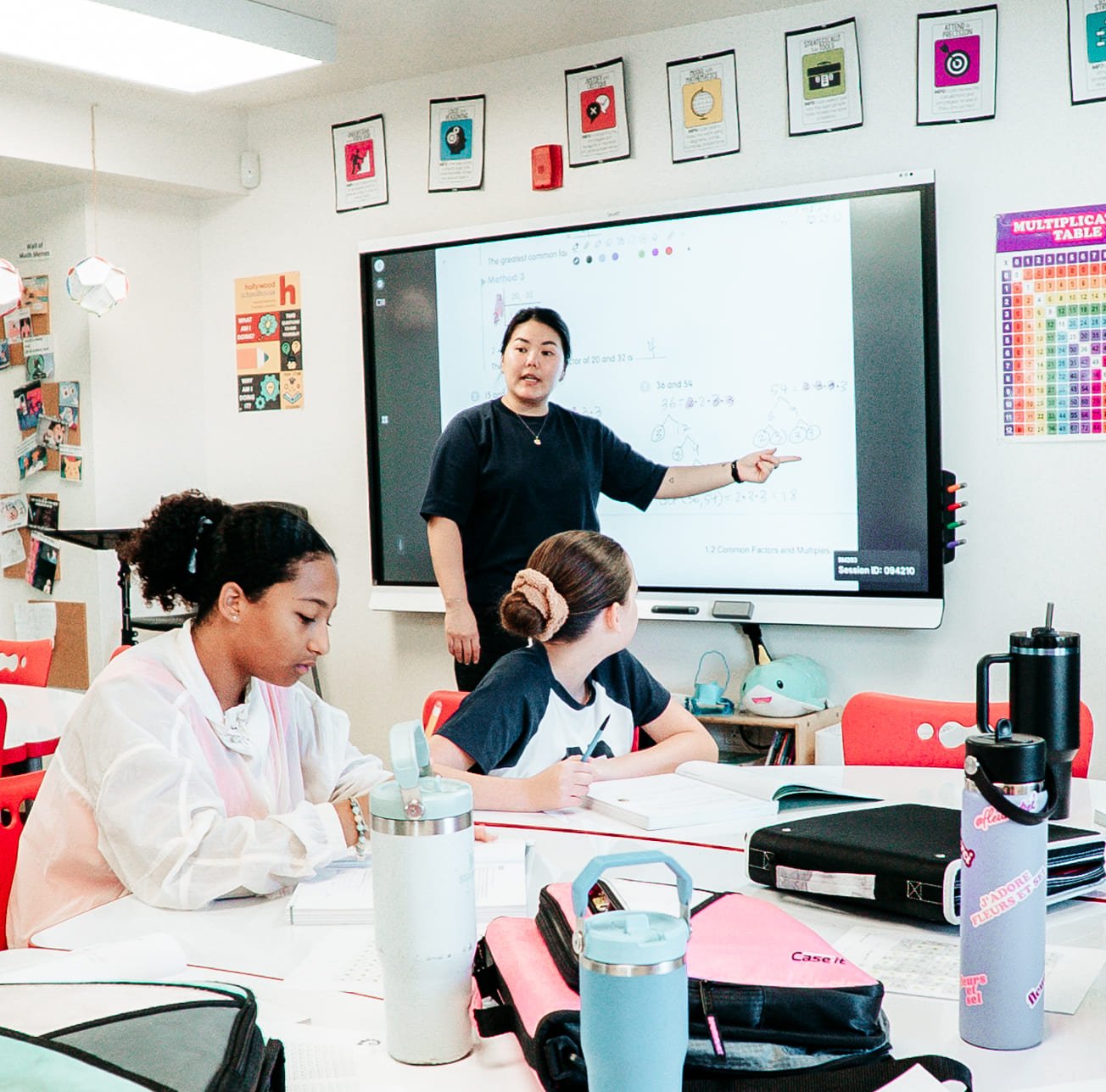
When parents hear “6:1 student-teacher ratio,” the number sounds impressive. But many families still wonder what exactly that looks like day-to-day. Does it simply mean smaller classes? More supervision? Extra academic help?
In reality, a low student-teacher ratio changes nearly everything about how children experience school. It shapes how deeply teachers know their students. It affects how classrooms feel emotionally. It changes how children participate, how conflicts are navigated, how confidence develops, and how learning unfolds moment by moment throughout the day.
At Hollywood Schoolhouse, the 6:1 student-teacher ratio is part of our commitment to creating an environment where children are known, supported, challenged, and encouraged in their academic, social, emotional, and creative growth.
Small Class Sizes Create More Individual Attention
One of the clearest differences in a low-ratio classroom is simple: teachers have more time for each child. In larger classrooms, much of a teacher’s energy can understandably go toward classroom management, transitions, and behavior for a high number of students at once. In smaller environments, teachers can spend more time observing, listening, guiding, and connecting.
That means children are more likely to receive:
Personalized academic support
Real-time feedback
Encouragement tailored to their personality and learning style
Extra help when they feel stuck
Opportunities to move ahead when they’re ready
Research on small class sizes has consistently shown benefits for both academic and social development, particularly in early childhood and elementary education. Smaller classes allow for more individualized instruction and stronger teacher-student relationships. Beyond research, there is also the very human reality that children notice when adults truly make time for them.
Teachers Can Get To Know Each Child
In a smaller classroom, children are less likely to blend into the background. Teachers notice the quiet student who suddenly seems withdrawn. They recognize when a child needs reassurance before participating. They learn how each student approaches problem-solving, collaboration, creativity, and emotional regulation. This deeper understanding changes the classroom dynamic entirely.
A teacher who truly knows a child can:
Adjust support in meaningful ways
Recognize emotional needs earlier
Encourage strengths more intentionally
Build trust more naturally
Help children feel seen and valued
Relationships are central to learning and developing confidence, curiosity, emotional intelligence, and a strong sense of belonging.
Children Can Participate More in Smaller Classrooms
For many children, especially younger students, large-group environments can feel overwhelming. In smaller classrooms, students often feel more comfortable. A child who feels emotionally safe is more likely to engage actively in:
Asking questions
Sharing ideas
Taking creative risks
Participating in discussions
Trying something new without fear of embarrassment
Smaller learning environments can help children feel less pressure and more connection, creating space for authentic participation rather than simply keeping up. This is especially important during the early childhood and elementary years, when children are still developing their identities as learners.
There Is More Room for Curiosity and Conversation
Progressive education depends on interaction. Inquiry-based learning, creative exploration, collaborative projects, storytelling, open-ended discussions, and hands-on discovery all require time and flexibility. Smaller student-teacher ratios help make those experiences more possible.
Instead of rushing through material, teachers can pause for meaningful conversations. Children can ask follow-up questions. With naturally unfolding discussions, learning becomes more dynamic and responsive. In smaller classrooms, teachers are also better able to notice emerging interests and build on them in real time.
Emotional Development Receives More Support
A low student-teacher ratio also changes the emotional experience of school. Children have more opportunities to:
Build trusting relationships with adults
Practice communication skills
Navigate conflicts with guidance
Receive emotional support during difficult moments
Feel connected to the classroom community
Research on smaller class sizes has also linked them to improved student engagement, stronger classroom relationships, and a greater sense of belonging. For young children especially, emotional safety is deeply connected to learning. When children feel secure and understood, they are often more willing to explore, participate, and persevere through challenges.
Teachers Can Adapt More Naturally to Different Learning Styles
Every child learns differently. Some children process verbally. Others need movement and hands-on experiences. Some thrive through collaboration, while others need quieter moments before participating. In smaller classrooms, teachers have more flexibility to respond to these differences naturally throughout the day.
That might look like:
Adjusting instruction in the moment
Offering alternative ways to engage with material
Providing extra encouragement during transitions
Giving children more time to process
Creating opportunities for deeper exploration
Smaller classrooms increase opportunities for adaptive and personalized instruction.
How a 6:1 Ratio Supports Learning at Hollywood Schoolhouse
At Hollywood Schoolhouse, a low student-teacher ratio helps create the kind of learning environment the school is known for. Children are encouraged to ask questions, explore ideas, collaborate with peers, and engage deeply with topics that spark their curiosity. That kind of learning requires teachers to be present, responsive, and attentive to what is happening in the classroom in real time.
With a 6:1 ratio, teachers have the flexibility to notice emerging interests and build meaningful learning experiences around them. A conversation during story time may lead to a science investigation. An art project might evolve into a larger exploration of a topic students are eager to understand. Rather than moving every child through the same experience in the same way, teachers can adapt to and respond to the group's unique dynamics.
At Hollywood Schoolhouse, small classroom environments help create space for curiosity, connection, emotional growth, and joyful learning because childhood learning is most powerful when children feel known, valued, and supported as they grow academically, socially, emotionally, and creatively. Schedule a tour today and learn how our low student-teacher ratio gives all our students more room to succeed.
FAQs
-
A 6:1 ratio means there is one teacher for every six students in the classroom environment.
-
Smaller class sizes can support more personalized learning, increased participation, stronger emotional support, and more meaningful teacher-student interaction.
-
Research suggests that smaller classes, especially in early education, can positively impact academic outcomes while also supporting student engagement and confidence.
-
Children in smaller classrooms often have more opportunities to communicate, collaborate, practice conflict resolution, and build relationships with both peers and teachers.
-
Many children benefit from the emotional safety and connection that smaller learning environments can provide. A lower student-teacher ratio may help quieter or more cautious children feel more comfortable participating and building confidence.
