
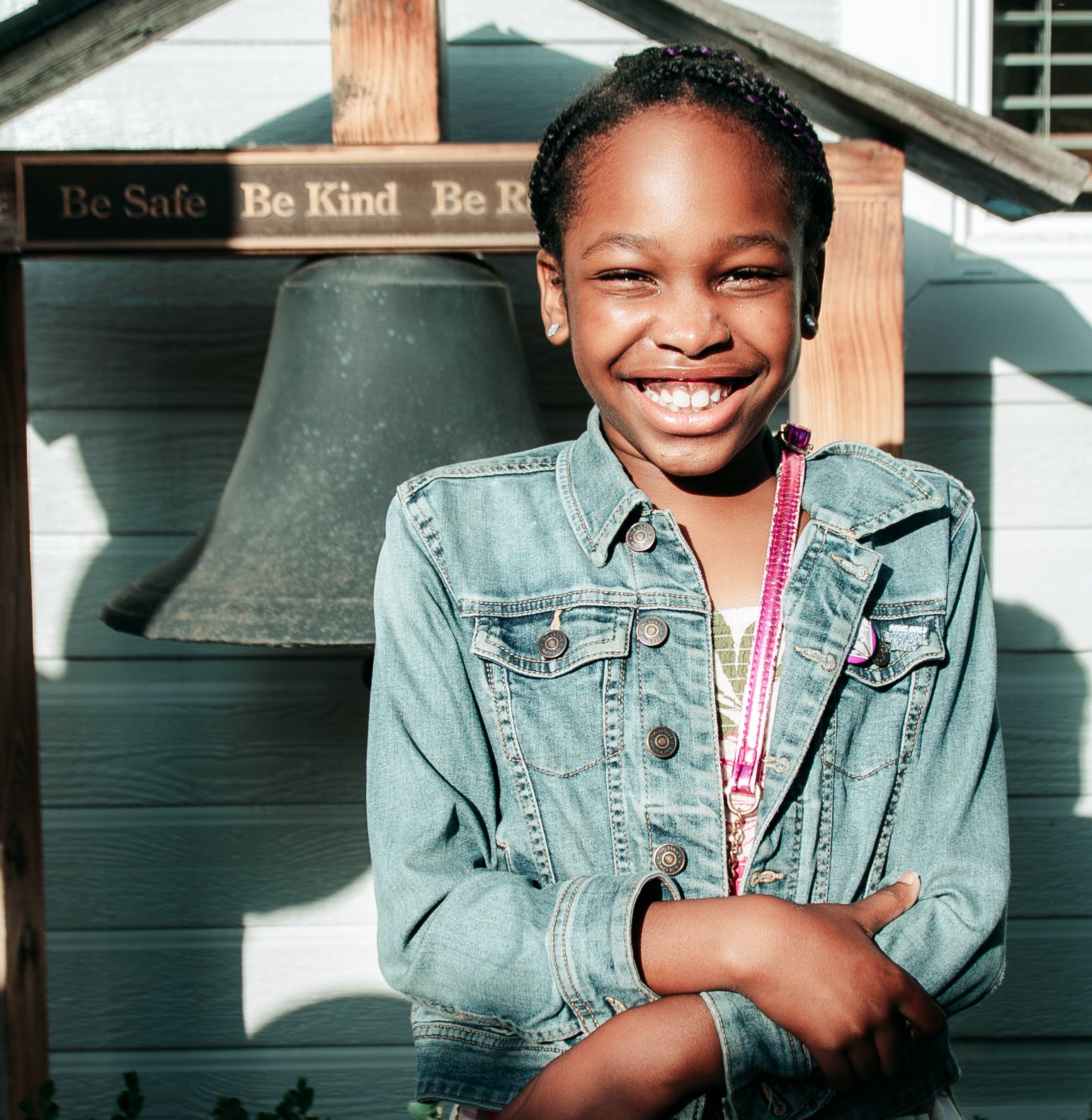
Starting a new school year is a profound milestone. It is a season brimming with excitement, anticipation, and, quite naturally, a healthy dose of anxiety for children and parents alike.
When children stand on the precipice of a new academic environment, their internal monologue usually centers around three fundamental questions:
What will my new teacher be like? Will they like me, and will I like them?
Who will be in my class? What happens if I am separated from my closest friends? Will I know (or like) anyone in my class?
What will the learning look like, and will I be able to understand it?
As parents, our instinctive reaction is often to try to fix, minimize, or talk our children out of their discomfort. We want to convince them that everything will be perfect. However, true leadership in parenting means recognizing that we cannot, and should not, eliminate these natural feelings. Nervousness is not a flaw in the process; it is a normal part of growth. No matter how thrilled a child is to return to campus, there will always be a quiet layer of vulnerability that they must navigate.
Instead of trying to bypass these feelings, we can take the pressure off ourselves and become the calm, steady guides our children need. Here are four intentional, practical strategies to help your child navigate the transition into a new school year:
1. Name and Validate the Feeling
Children possess an incredible capacity for adaptation, but they first need to make sense of their internal landscape. Invite open conversations about the upcoming shift. Ask them what they are looking forward to most, and gently explore what might be causing a bit of worry.
Once they identify a specific fear, mirror it with your own vulnerability rather than a quick fix.
What this sounds like: "I remember stepping into my new classroom at their age and feeling so nervous because I loved my previous teacher so much. It is completely okay to feel two opposite things at once, excited for the new year and sad to leave the old one behind."
2. Build a Bridge of Familiarity
Anxiety thrives in the unknown. We can mitigate this by grounding our children in concrete realities before the first day of school.
For Returning Students: Pull out past yearbooks, scroll through campus photos, and revisit happy memories. Remind your child of the trusted administrators, familiar faculty, and friends who make up their safe community anchor.
For New Students: Demystify the new environment. Take a low-pressure weekend drive past the campus, explore the school website together, look at photos of the classrooms, and review the materials sent home by the administration to invite natural questions.
3. Humanize the Educator
A new teacher can feel like a major question mark to a child. You can bridge this gap by looking for the personal connection points usually found in summer welcome letters or faculty bios.
What this sounds like: "Did you know your new teacher has two dogs named Riley and Jones? Look, she even sent a picture of them. Since you love animals, maybe you could bring a picture of our dog, Ollie, to show her on the first day?"
By highlighting these shared humanity points, you transform a figure of authority into a relatable partner, giving your child a built-in conversation starter.
4. Co-Design the Ritual of Saying Goodbye
A successful transition relies heavily on predictable structures. Give your child a sense of agency by asking them how they would like to handle the first morning drop-off. This looks different across development, but every age group benefits from a practiced boundary.
For Younger Children (ECE/Kindergarten): Establish a concise, loving routine. "Once we put your lunchbox in your cubby, I will stay for exactly five minutes, and then I need to head to work. Let’s practice our special goodbye handshake right now so we are ready."
For Older Children (Upper Elementary): They may prefer a simple walk to the door, a quick hug or high-five, and a confident send-off.
A Note on Separation: As difficult as it can be for a parent, a prolonged goodbye does not ease separation anxiety, it amplifies it. If your child cries, trust the transition. Reassure them, hand them over to a trusted faculty member, and exit confidently.
The View from the Other Side
At the heart of the Hollywood Schoolhouse way is the belief that children thrive when they feel entirely safe, seen, and supported.
As the summer weeks draw to a close, remember that you do not need to fix the butterflies in your child's stomach. Sit with them, validate them, and offer the steady reassurance they need to hear most: "It is okay to be nervous. You are going to get through this, and I will be right here waiting for you on the other side."
