
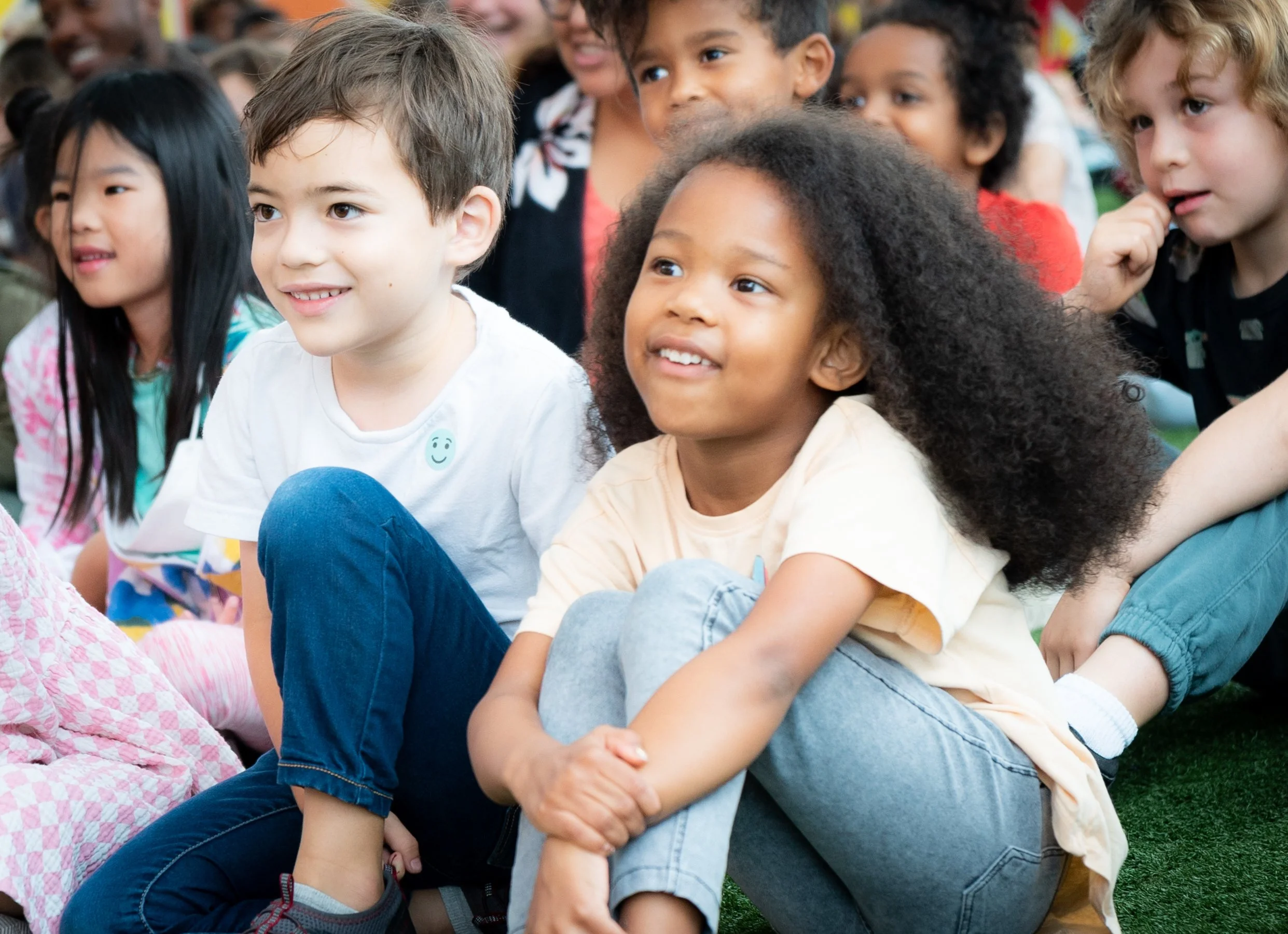
A school is more than just academics. It's a place where your child should feel comfortable, accepted, and excited to learn. As you research schools, you'll probably see words like diverse and inclusive on a lot of websites. But what do those words actually mean, and how can you tell if a school truly puts them into practice?
A diverse and inclusive school isn’t just a place for students from different backgrounds; it’s a community where every child feels like they belong, where different ideas and experiences are welcomed, and where children learn to appreciate what makes each person unique.
And those lessons don't just prepare children for school; they prepare them for life.
What Does It Mean for a School to Be Diverse and Inclusive?
Although they're often used together, diversity and inclusion mean different things.
Diversity is about who makes up the school community. That includes different cultures, family backgrounds, languages, traditions, experiences, and perspectives.
Inclusion is about what happens once everyone is there. Do children feel welcomed? Are they encouraged to participate? Do they know their ideas matter? Do they feel comfortable being themselves?
Diversity is the variety, and inclusion is the belonging.
Why Does Diversity Matter for Young Children?
Young children are naturally curious about the world around them. When they spend time with classmates who have different experiences, traditions, or perspectives, they begin learning that there isn't just one way to think, celebrate, solve problems, or tell a story. Over time, those everyday interactions help children build important life skills like empathy, kindness, communication, and respect. They also learn that everyone's voice has value, including their own.
Inclusion Happens in the Everyday Moments
An inclusive school is one that values differences, welcomes everyone, and gives every student the chance to belong and grow. It's about the little moments that happen every day: a teacher making sure every child has a chance to share an idea, classmates learning to listen to one another, reading stories that reflect many different families and experiences, and helping children work through disagreements with kindness and respect.
Over time, these everyday experiences help children build confidence while learning how to be thoughtful members of a community.
How Does an Inclusive School Community Benefit Children?
When children learn in a diverse and inclusive environment, they gain more than academic knowledge. They have opportunities to meet people with different backgrounds, perspectives, and experiences, helping them better understand the world around them. These everyday interactions can help children:
Develop empathy and compassion for others
Build confidence in sharing their own ideas
Become stronger communicators and listeners
Learn how to work collaboratively with people who may think differently
Practice solving conflicts with respect and kindness
Feel comfortable expressing themselves while appreciating others' unique qualities
These skills don't develop overnight but through meaningful relationships, shared experiences, and everyday classroom conversations. Those are qualities that support success throughout life as children continue to build relationships within their communities and beyond.
How Hollywood Schoolhouse Builds a Sense of Belonging
At Hollywood Schoolhouse, community starts with relationships. Small class sizes give teachers the time to know each child: their interests, strengths, questions, and personality. That makes it easier to create a classroom where children feel comfortable taking risks, asking questions, and trying something new.
The school's inquiry-based approach also encourages children to learn from one another. Students work on collaborative projects, explore new ideas, and have thoughtful classroom discussions, giving them the opportunity to practice listening, sharing, and respecting different perspectives every day.
Families are an important part of that community, too. Strong partnerships between home and school help children feel supported both inside and outside the classroom.
Questions to Ask During a School Tour
If you’re considering touring a school and diversity and inclusion are important to your family, don't be afraid to ask questions like:
How do teachers help children feel included?
How are different cultures, family backgrounds, and perspectives represented in the classroom?
How do students learn to work through disagreements respectfully?
What opportunities do children have to collaborate and learn from one another?
How does the school build strong relationships with families?
The answers can tell you a lot about what daily life at the school is really like.
Every Child Deserves To Belong
A diverse and inclusive school isn't defined by numbers alone. It's built through caring relationships, everyday interactions, and a shared commitment to helping every child feel welcomed, respected, and valued.
If you'd like to see how Hollywood Schoolhouse creates a community where children build friendships, celebrate different perspectives, and grow together, schedule a tour today and experience it for yourself.
FAQs
What Is the Difference Between Diversity and Inclusion?
Diversity is about the different people and experiences that make up a school community. Inclusion is about making sure all of those people feel welcomed, respected, and able to participate.
Why Is Inclusion Important in Early Childhood?
Children who feel safe and included are often more confident, more willing to participate, and more open to learning from others.
How Can You Tell If a School Is Really Inclusive?
Look beyond the mission statement. During a tour, notice how teachers interact with children, how students treat one another, and how children engage together.
How Does Diversity Help Children Learn?
Learning alongside children with diverse backgrounds and perspectives helps develop empathy, communication, collaboration, and problem-solving skills that benefit children throughout their lives.
