
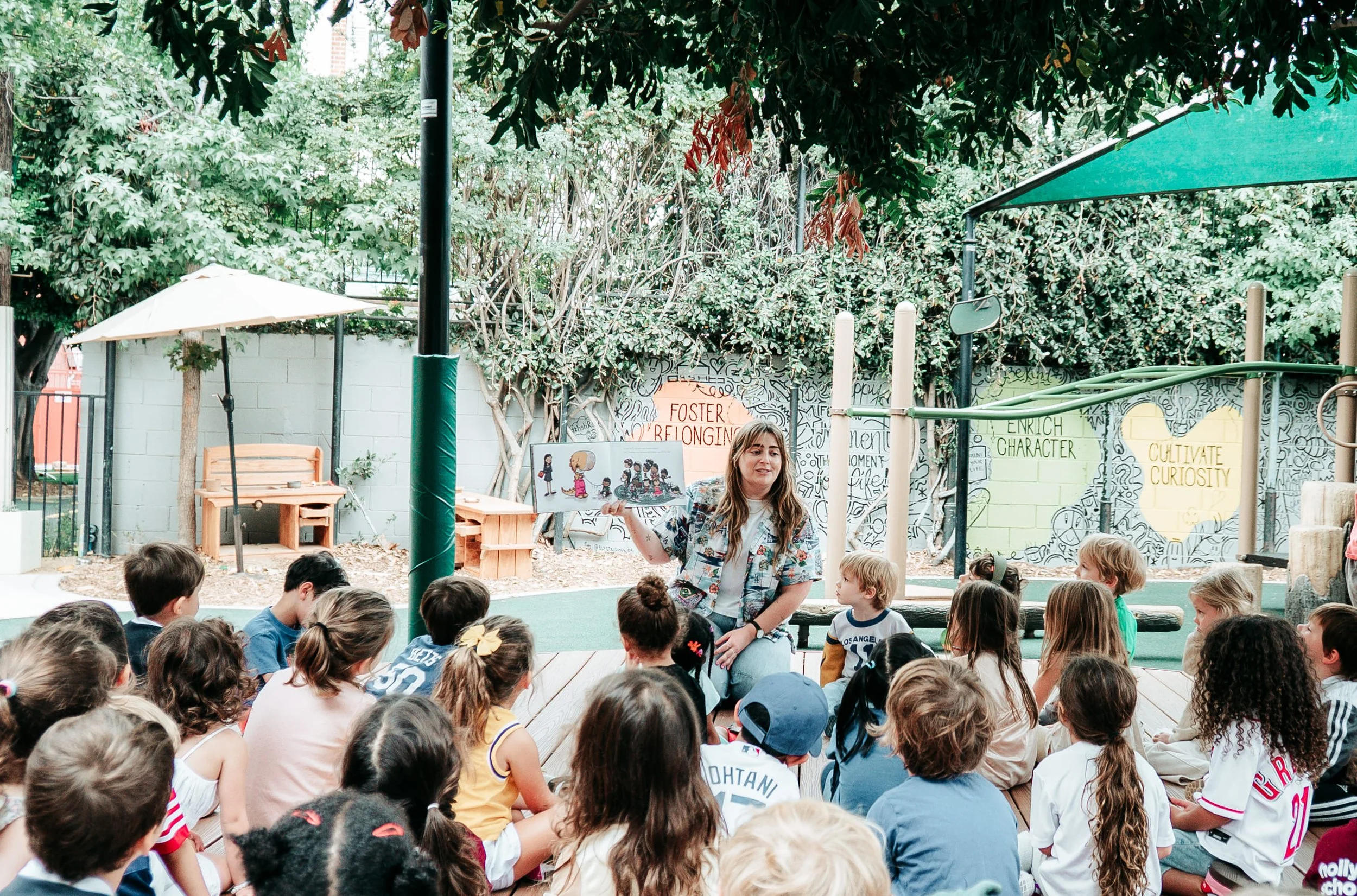
Choosing a preschool is one of the first big education decisions you make for your child. Every program has a brochure, a tour, and a promise. The reassuring part is that researchers and early childhood organizations largely agree on what a high-quality preschool looks like, and most of it you can see for yourself in a single visit. This guide is here to walk you through what an excellent preschool should offer, so you know what to look for.
What Does a High-Quality Preschool Look Like?
A high-quality preschool has caring, well-trained teachers, small class sizes, a curriculum based around play and a curiosity for learning, and builds a partnership with parents and families. The National Association for the Education of Young Children (NAEYC) describes it as a caring community of learners, where children build positive relationships with their classmates and their teachers. Quality shows up in how a day feels more than in any single feature.
Here are the five signs worth looking for:
1. Caring, Qualified Teachers
Teachers in a high-quality program should be warm and caring, take time to get to know each child and their family, and help children learn to play, work together, and make friends. They plan inclusive activities so every child can take part.
The National Institute for Early Education Research (NIEER) says that teachers should have four-year degrees, early childhood training, and regular professional development. Consistency matters because young children learn best with adults they trust. On a tour, ask how long teachers have worked in education and how they continue growing in their work.
2. Small Groups and Strong Ratios
Classes should be 20 or fewer students, with at least two staff members in the room. The ratio matters as much as class size because it affects how much attention each child can receive. At Hollywood Schoolhouse, the student-teacher ratio is 6:1 in Early Childhood, which gives teachers time to notice each child's interests and needs. You can read more about how a 6:1 ratio changes the early childhood classroom.
3. Play-Based Learning With Purpose
A strong curriculum covers every area of school readiness. The American Institutes for Research (AIR) cautions against leaning heavily on one area of education, such as early literacy, at the expense of social and emotional development.
Play-based learning is how many programs reach all of those areas at once. Preschools should balance teacher-guided activities with activities children choose themselves, with enough time to get deeply involved and goals that are challenging but achievable with support. At Hollywood Schoolhouse, the Preschool & Kindergarten program is play-based and child-centered, with an emergent curriculum shaped by children's own ideas, Passion Projects that let a child lead the class in exploring a topic, and both indoor and outdoor classrooms.
4. Interactions That Invite Thinking
Everyday conversations between teachers and children help shape a quality early education. Open-ended questions and teacher encouragement help children understand and explain their thinking. Specific, encouraging comments about a child's effort and clear boundaries guide early learners to feel safe, thoughtful, and confident.
5. Families as Partners
You are your child's first teacher, and a high-quality preschool treats you that way. Teachers should listen to families' goals and concerns, and families should feel invited to join the school community. Hollywood Schoolhouse pairs its social-emotional curriculum with meet-ups and student-led community building, encouraging students and their families to welcome and support each other.
How to Compare Preschools on a Tour
Once you have a few programs in mind, a side-by-side checklist can keep the process organized. During each visit, notice:
Whether children look engaged and happy
Whether teachers join in children's play, ask questions, and offer ideas
Whether children use materials in many ways
The balance of indoor play, outdoor play, and quiet time
How the program shares each child's progress with families
For more questions to bring along, see what to look for in a private school.
Choose With Confidence
The habits children build in preschool, like curiosity, confidence, and kindness, travel with them.
The best preschool for your family is one where your child feels safe, curious, and known, and where you feel welcome. Trust what you see in the room, and give yourself time. If you are looking at preschools in Los Angeles, we would love to show you what this looks like at Hollywood Schoolhouse. Schedule a tour to see our preschool in action. Reach out today.
FAQs
What makes a preschool high quality?
A high-quality preschool has qualified, caring teachers; small class sizes with enough adults in the room; a developmentally appropriate curriculum that supports social, emotional, and academic growth; and strong partnerships with families.
What is a good class size for preschool?
The National Institute for Early Education Research recommends preschool classes of 20 or fewer children, ideally 15 to 18, with at least two staff members. Hollywood Schoolhouse has a 6:1 student-teacher ratio in Early Childhood.
What is play-based learning in preschool?
Play-based learning is an approach where children learn language, early math, science, and social skills through hands-on play and exploration, guided by teachers. It supports all areas of school readiness at once.
What should I look for on a preschool tour?
On a preschool tour, look for children who seem safe and engaged; teachers who join in and ask open-ended questions; time for indoor play, outdoor play, and quiet moments; and a staff that welcomes and communicates with families.
How do I compare preschools?
Compare preschools using the same checklist on every visit: teacher qualifications, class size and number of adults per student, curriculum and approach to play, how teachers interact with children, and how the program works with families.
