
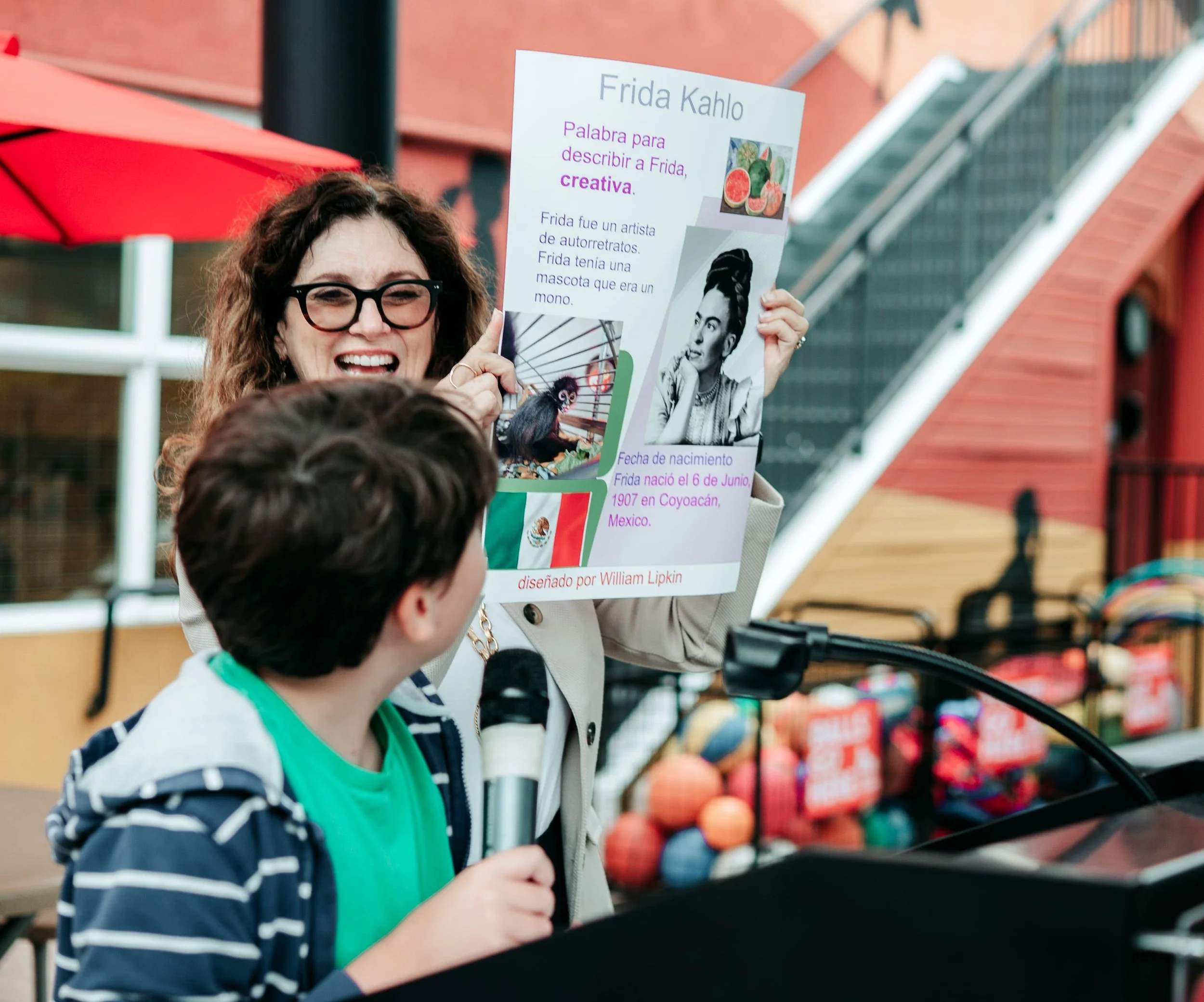
Ask a child what made their school day, and the response is rarely about a worksheet. It’s usually about a person: the teacher who first congratulated them on their hard work or noticed their kindness toward a classmate. Strong student-teacher relationships shape how comfortable a child feels, and that comfort shapes how willing they are to try. For families exploring a private elementary school in Los Angeles, understanding how connections are built is one of the most useful things to learn before a visit.
What Strong Student-Teacher Relationships Look Like
A relationship starts with ongoing curiosity and care. It looks like a teacher who notices that a 3rd Grader does her best work when questions involve sea creatures, or who spots a 5th Grader always saving a seat at lunch for his best friend.
Connections don't happen by accident. They grow when the learning environment is designed around people as much as lessons, with enough time, structure, and shared traditions for adults and children to learn about each other in meaningful ways.
The Benefits of Small Class Sizes
Time is the first ingredient: one of the clearest benefits of small class sizes is that teachers can notice the little things and follow up on them from one week to the next. At Hollywood Schoolhouse, the student-teacher ratio is 6:1 in Early Childhood and 8:1 in Elementary. That gives teachers room to create lessons that align with students’ interests and curiosities and to identify where they may struggle. A small classroom lets teachers tailor learning to individual interests and needs, connecting them to their education in a meaningful way.
Why a Sense of Belonging in School Matters
Children tend to show more of themselves when they know they belong. According to the Kids Mental Health Foundation, children who feel connected to their families, schools, and neighborhoods tend to be more secure, make friends more easily, pick up new skills, and do better academically. The opposite holds, too. Children who see themselves as on the outside can stay on edge, bracing for rejection, which makes it harder to concentrate and take the small risks learning requires.
Belonging also depends less on how many friends a child has and more on the quality of those friendships and connections, with both their peers and adults. A teacher who connects with students can also notice shared interests and introduce classmates to one another, which often leads to friendships.
How Hollywood Schoolhouse Builds Belonging
Ruth Pease founded Hollywood Schoolhouse in 1945, envisioning a school where every child is accepted, loved, and welcomed as an individual. Today, the school serves more than 300 students, and its mission statement reads: “We know, value, and encourage each child so our students emerge academically strong, artistically proud, physically active, and socially grounded.” Here are just a few ways that this shows up in daily life:
Individualized attention: Teachers meet each child where they are, using differentiated instruction so every student gets what they need to thrive.
Morning Meet-Ups: The whole school gathers to set intentions for the week and celebrate the week’s Bell Ringers.
Talent Show and Spring Musical: Students in 3rd through 6th Grade perform for the whole school, from acrobatics and choreographed dances to comedy skits, original music, and their own writing.
Knight Awards: Twice a year, three students are recognized for who they are and for the way they inspire those around them.
Bell Ringers: Each week, teachers nominate a student who reflects Safe, Kind, and Responsible behavior.
DREAM Week: During the week before Spring Break, students dive into a single topic, asking questions and searching for solutions.
Cross-grade connections: Older and younger students spend time together through traditions like Community Circles and the Buddy Program, where buddies work on projects, sing, write poetry, and dance together throughout the year, so students and adults across the school see and welcome every child.
Character Strong and Restorative Practices: Each month, the school focuses on one character trait, and the administration recognizes students who are an example of it. Through Restorative Practices, students learn how to repair a mistake and listen with understanding, so a hard moment becomes part of learning.
In each of these moments, our teachers watch, listen, and build the connection that makes belonging possible.
What To Look for on a School Tour
A tour is the best chance to see student-teacher relationships up close. A few things worth watching for when touring a private elementary school are:
How teachers speak with children: at eye level, by name, and with curiosity.
Whether children of different ages interact and seem comfortable doing so.
How adults respond when a child is upset or makes a mistake.
How the school describes its traditions, and what role students play in them.
Feeling Seen Is Where Learning Begins
When children feel seen by the adults who teach them, they bring more of themselves to every lesson, and that is where growth begins. If you are considering private elementary schools in Los Angeles, we would love to show you what this looks like in person. Schedule a tour to see the student-teacher relationships for yourself.
FAQs
Why are student-teacher relationships important in elementary school?
Children learn best when they feel safe and valued. Trusting connections with teachers give students the confidence to ask questions, take intellectual risks, and keep going when the work gets hard.
How do small class sizes support student-teacher relationships?
Fewer students per teacher means more time for individual attention, noticing changes in a child's mood or interests, and following up consistently. Hollywood Schoolhouse has a 6:1 ratio in Early Childhood and 8:1 in Elementary.
How does Hollywood Schoolhouse build student-teacher relationships?
Through small student-teacher ratios, differentiated instruction, and traditions such as Morning Meet-Ups, Community Circles, and the Buddy Program.
What should I look for on a school tour?
On a school tour, watch how teachers talk with students and whether children of different ages interact.
