
Small Private School vs. Public School: Academic Benefits
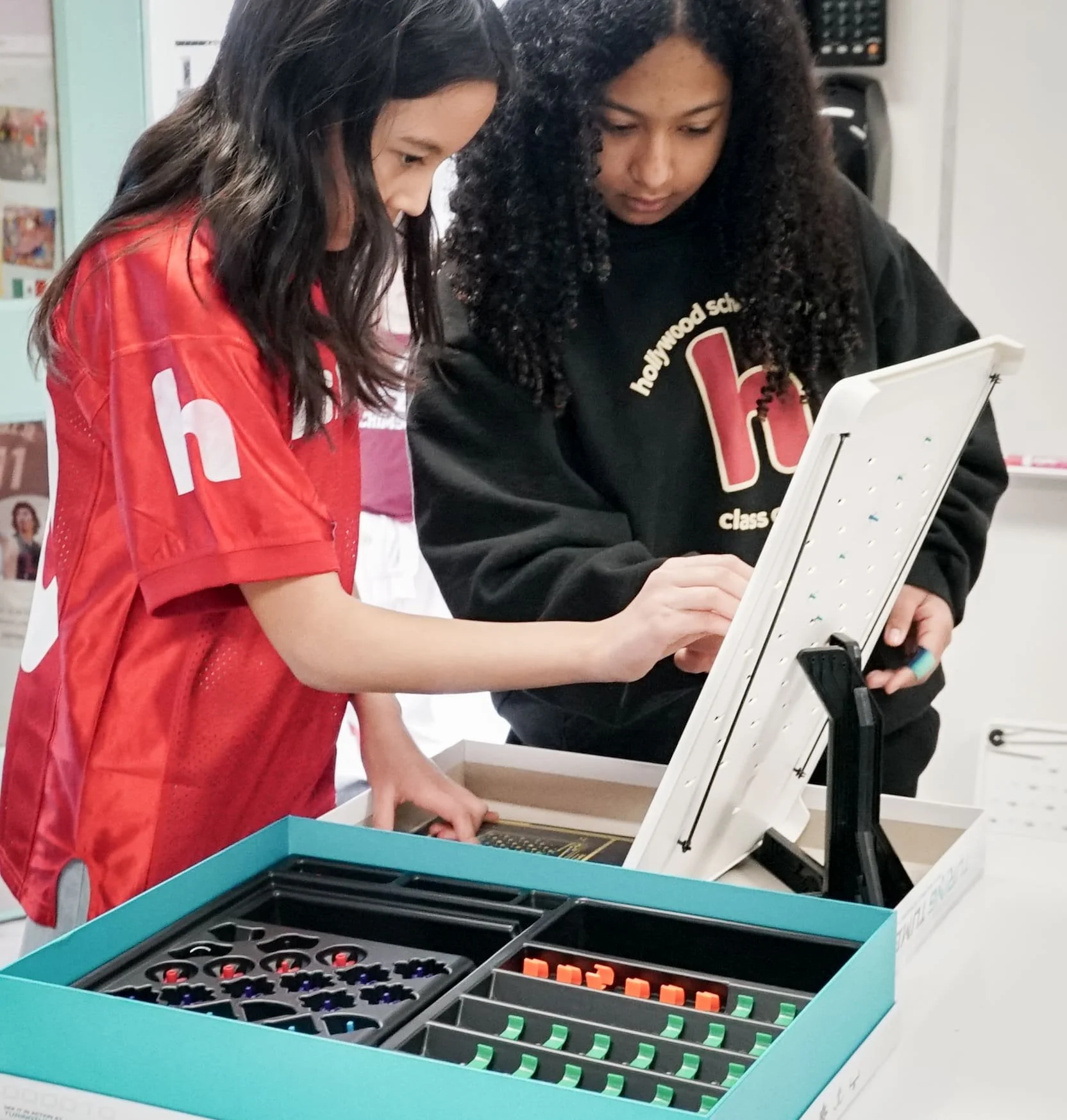
Choosing a school for your child is a big decision: how do you choose a learning environment that best suits them? Public schools educate millions of children every year and offer families a wide range of programs, teachers, resources, and opportunities. They can be wonderful places for children to learn and grow. At the same time, smaller private schools offer a different kind of academic environment. With fewer students, teachers may have more opportunities to get to know their students, provide individual attention, and create learning experiences that respond to the interests and needs of the classroom.
So, how do these learning environments compare and contrast one another, and how can you choose which is best suited to your child’s needs?
What’s the Difference Between a Small Private School and a Large Public School?
The biggest difference isn't necessarily whether one school is "better" than another; it's the size and structure of the learning environment. Public schools serve the majority of America's students. In fall 2021, about 48 million students were enrolled in public elementary and secondary schools, compared with about 4.7 million in private schools.
That scale can bring advantages, including a broad range of programs and specialized resources. But a smaller school gives students a more intimate classroom experience, with fewer students sharing a teacher's attention. For families considering private school, that difference can matter most during the preschool and elementary years, when strong academic foundations are being built.
Smaller Classes Mean More Individual Attention
Imagine a child who understands a math concept immediately. Another needs to see it demonstrated a few more times. A third has a completely different strategy for solving the problem. In a smaller classroom, teachers have more room to notice those differences, adapt, and respond to them.
That can mean:
Giving a student additional support when a concept is challenging
Offering a deeper challenge when a student is ready to move ahead
Asking follow-up questions that encourage deeper thinking
Providing more immediate feedback
Learning which approaches help each student understand a concept
Research and school-level comparisons often point to smaller class sizes as an advantage because they create more opportunities for teacher-student interaction. The important part isn't having fewer desks in a room; it's what teachers do with the additional time and attention.
Teachers Get To Really Know Their Students
Academic support becomes more useful when a teacher knows how a child thinks. A teacher who has developed a strong relationship with a student may recognize when they are struggling with a concept, need a different explanation, or are ready to take on something more challenging.
That same relationship also makes it easier for children to take risks and ask questions.
For young students, feeling empowered to ask for help is a big step in building confidence in themselves. In settings where teachers know their students, students may feel more confident taking risks, feel less shame when making mistakes, and feel more supported as they broaden their knowledge in the classroom.
Learning Can Be More Responsive
A smaller school environment can also give teachers more flexibility in how they approach learning. Instead of moving through a lesson because it's next on the schedule, teachers can pause when an interesting question or thoughtful learning opportunity comes up. They can spend more time exploring a topic students find fascinating or adjust an activity when they see that children need another way to approach it.
At Hollywood Schoolhouse, the elementary program uses inquiry-based learning to teach students to follow their curiosity. Students' questions help drive organized units of study, while teachers guide them toward strong foundational skills and deeper understanding. Students also apply what they're learning to real-world issues and challenges. The classroom builds skills in reading, writing, mathematics, science, and social studies while also teaching students to ask questions, explain their thinking, investigate ideas, and solve problems.
Small Schools Can Make It Easier To Connect Different Subjects
Making connections between different subjects, and between subjects and how they’re used in the real world, helps students understand why learning is important. A science investigation might involve reading, writing, measurement, and research. A history project might connect to famous figures in cities students have lived in and at places they have been to. Smaller learning communities can make these connections easier to build into everyday instruction. The result is an academic experience where children are applying what they learn across subjects and in their everyday lives.
How Does School Size Affect the Elementary Experience?
In the elementary years, children are also developing their identities as learners.
Do they see themselves as someone who can solve a difficult problem?
Are they comfortable asking questions?
Will they keep trying when something doesn't work?
Do they feel confident sharing an idea?
In a smaller school, teachers may have more opportunities to notice and encourage these moments because they are working with fewer students.
At Hollywood Schoolhouse, the average student-teacher ratio is 8:1 in Elementary and 6:1 in Early Childhood. That combination keeps academics rigorous while giving children room to be curious, ask questions, and build confidence in their thinking.
What About Academic Opportunities at Large Public Schools?
Although smaller classes allow for more intimate instruction and adaptable learning, large public schools have benefits, too.
Many public schools provide access to specialized teachers, advanced courses, extracurricular programs, technology, athletics, arts programs, and other resources. For some children, a larger school may be exactly the right fit. The question parents need to ask themselves isn’t, "Which type of school is better?" It's "Which environment will help my child learn best?"
Is a Small Private School Right for Your Child?
Some students need smaller classroom sizes and more individualized attention. Other children thrive in a large public-school environment. Some families prioritize extensive extracurricular offerings, while others place greater emphasis on close community and personalized learning.
As you visit schools, pay attention to what you see rather than focusing only on the public or private label. Ask:
How well do teachers know their students?
How does the school support children who need extra help?
How are students challenged when they're ready for more?
Do children have opportunities to ask questions and explore their interests?
How does the school balance strong academic foundations with creativity and curiosity?
The answers can tell you much more about your child's potential experience than a school type alone.
The Best School Is the One That Fits Your Child
Public and private schools both give children opportunities to learn, build friendships, discover their interests, and grow. The right choice depends on your family's priorities and, perhaps most importantly, the environment where your child feels ready to learn.
For families drawn to a smaller, relationship-focused academic environment, the benefits of a small private school can be significant: more individual attention, closer teacher relationships, a tighter school community, and more opportunities to connect learning with children's questions and interests.
At Hollywood Schoolhouse, those ideas come together through small classes, strong academic foundations, inquiry-driven learning, and a community where teachers can get to know their students well. If you're curious about what that looks like in practice, a school visit is often the best place to start.
FAQs
Are Small Private Schools Better Academically Than Large Public Schools?
Both public and private schools can provide strong academic experiences. Small private schools may offer advantages such as smaller classes, closer teacher relationships, and more individualized attention, while large public schools may offer broader resources and specialized programs.
What Are the Academic Benefits of Smaller Class Sizes?
Smaller classes can give teachers more opportunities to provide individual feedback, notice when students need support, challenge students who are ready for more, and build strong teacher-student relationships. At Hollywood Schoolhouse, an 8:1 ratio in Elementary means teachers can put this into practice with every student, every day.
Do Private Schools Have Smaller Class Sizes?
Private schools tend to be smaller than public schools overall, although class size varies considerably from school to school. Families should ask individual schools about their actual classroom sizes and student-teacher ratios.
Can Children Get More Individual Attention at a Private School?
Smaller classes can give teachers more time to understand individual students and respond to their academic needs. However, the amount of individual attention depends on the specific school's class sizes, teaching approach, and resources — at Hollywood Schoolhouse, that looks like a 6:1 ratio in Early Childhood and 8:1 in Elementary.
What Should Parents Look for in a School's Academic Program?
Look for a strong foundation in core subjects, teachers who know their students well, opportunities for meaningful challenge, and a teaching approach that encourages children to think, ask questions, and apply what they learn.
Is a Small Private School a Good Choice for Every Child?
No school environment is right for every child. Some children thrive in large public schools, while others benefit from the smaller classes and closer relationships a school like Hollywood Schoolhouse offers. Visiting schools can help families decide which setting feels like the best fit.
