
How to Build a Morning Routine That Helps Kids Thrive at School
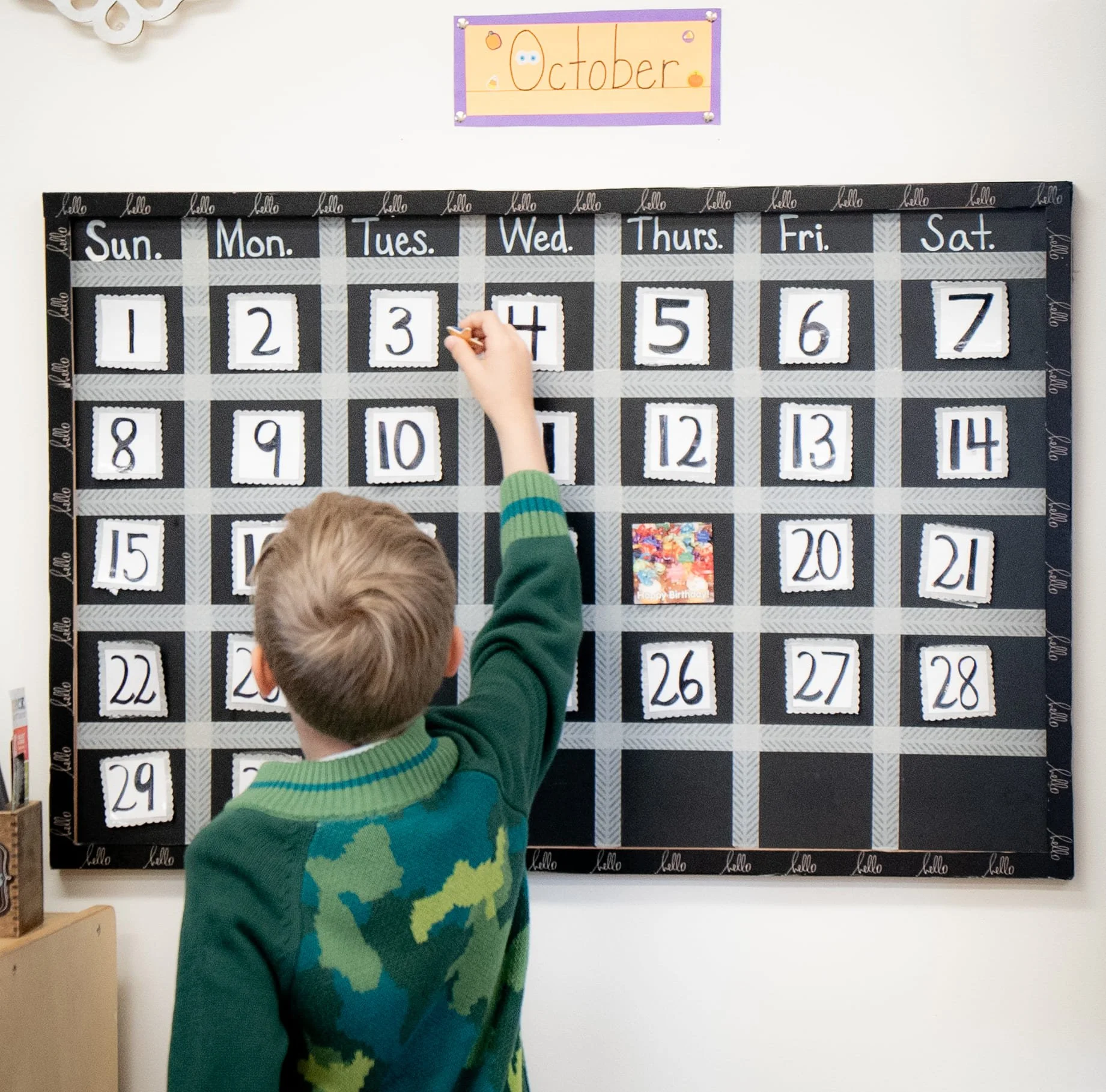
Mornings before school can feel like a race against the clock. Someone can't find their shoes, breakfast takes longer than expected, and suddenly everyone is rushing out the door. The good news is that a successful school morning doesn't have to be perfect. A consistent morning routine can help everyone feel calmer and ready to learn before they even step into the classroom.
Whether your child is starting Preschool or heading into Elementary, a few simple habits can make mornings easier for the whole family.
Why Does a Morning Routine Matter?
Children thrive on predictability. Knowing what comes next helps them feel more secure and gives them a sense of control over their day. A consistent morning routine can help children:
Feel less stressed before school
Build independence
Practice responsibility
Arrive at school ready to learn
Start the day with confidence
When mornings feel calm instead of rushed, children have an easier time transitioning into the classroom.
Start the Night Before
One of the easiest ways to improve your mornings is to prepare the evening before. Simple tasks completed ahead of time can reduce stress for everyone. Try:
Packing backpacks
Choosing clothes for the next day
Filling water bottles
Preparing lunches or snacks
Setting out shoes and jackets
These small steps mean fewer decisions have to be made during the morning rush.
Wake Up With Enough Time
No one enjoys feeling rushed the moment they wake up. Giving your family a little extra time can help mornings feel more relaxed. It also allows children to wake up gradually instead of jumping immediately into getting dressed and heading out the door.
If you're adjusting after a school break, try moving bedtime and wake-up time earlier by 10 to 15 minutes every few days before going back to school.
Create a Simple Morning Checklist
Routines help children because they do well when they know exactly what's expected of them. Instead of giving lots of reminders, create a simple routine they can follow each morning. For younger children, pictures may be more helpful than words.
Your checklist might include:
Get dressed
Brush your teeth and wash your face
Eat breakfast
Put on shoes
Head out the door
As children become familiar with the routine, they'll need fewer reminders and begin taking more ownership of their mornings.
Make Breakfast Part of the Routine
A healthy breakfast helps children start the day feeling energized and ready to focus. That doesn't mean breakfast has to be elaborate: simple options like yogurt with fruit, oatmeal, eggs, whole-grain toast, or a smoothie can help provide lasting energy throughout the morning. When possible, give your child the chance to make choices about their breakfast (what drink or fruit they’d like to include), and as they grow, they can even begin to decide on and prepare meals themselves.
Encourage Independence
Morning routines are a great opportunity for children to practice doing things on their own. Depending on their age, children can learn to:
Choose their clothes or get dressed independently
Pack their backpack
Help prepare breakfast
These everyday responsibilities help build confidence while making mornings run more smoothly.
Keep the Morning Calm
Children often pick up on the emotions of the adults around them. If mornings become stressful, children may start to feel anxious, too. While not every morning will go perfectly, small changes can help create a calmer environment. Try to:
Limit distractions like screen time
Offer encouragement when rushing
Celebrate when the routine goes well
Remember, the goal is to create a positive start to the day. By building your child up in their morning routine, they’ll feel confident and ready to learn and engage the rest of the day.
How Hollywood Schoolhouse Helps Children Start the Day Ready To Learn
A calm morning at home is only one part of a successful school day. The school environment also plays an important role in helping children settle in and feel ready to learn.
At Hollywood Schoolhouse, teachers understand that every child arrives with different experiences, personalities, and energy levels. Warm greetings, strong relationships, and a welcoming classroom environment help children transition from home to school with confidence.
Small class sizes also allow teachers to notice how children are feeling each morning. Whether a child is excited to jump into the day's activities or needs a little extra reassurance, teachers have the time to connect with each student and help them feel comfortable as the day begins.
As children settle into a predictable classroom routine filled with curiosity, collaboration, and meaningful learning experiences, they build the confidence to explore new ideas and engage fully with their classmates.
Give Yourself Grace
Even the best morning routines will have off days. Someone will oversleep, a favorite shirt will be in the laundry, and breakfast might get spilled. That's okay. The goal isn't to create a picture-perfect morning every single day, it's to build habits that help your family feel more prepared over time.
If you're looking for a school that values strong relationships, joyful learning, and helping children feel confident from the moment they arrive, schedule a tour of Hollywood Schoolhouse. We'd love to show you how our welcoming community helps children start every day ready to learn.
FAQs
What is a good morning routine for school?
A good school morning routine includes waking up with enough time, getting dressed, eating a healthy breakfast, brushing teeth, packing a backpack, and leaving home without feeling stressed.
How can I make school mornings less stressful?
Preparing the night before, following a consistent schedule, using a simple checklist, and encouraging children to complete age-appropriate tasks.
Why Are Morning Routines Important for Children?
Consistent routines help children feel secure, reduce stress, encourage independence, and create a positive start to the school day.
